Radon is a naturally occurring radioactive gas that you cannot see or smell. It can enter a home from the soil beneath it and build up indoors.
Royal T Home Inspection offers radon testing so you can know the level in your home and decide what to do next.
Radon levels can differ from one house to the next, even on the same street, because they depend on soil, the foundation and how the house is built and used. That is why testing the specific house matters more than guessing from the neighborhood.
When to schedule radon testing: During a home purchase, as part of your due diligence. Before you sell, so you know the level and can plan. After a renovation that changed the foundation, the basement or the air flow. If you finished a basement and now use it as living space. Any time you have never tested the house you live in.
Testing in the lower living area. Radon is usually measured in the lowest area of the home that is lived in or could be used as living space.
Closed-house conditions. For reliable results, windows and doors are normally kept closed during the test.
Clear results. You receive the measured radon level so you can compare it with the guidance from the U.S. EPA.
Next steps. If the level is high, a radon mitigation contractor can reduce it. We can explain your options.
A radon test places a measuring device in the lowest livable level of the house and leaves it for a set period under closed-house conditions. We explain the setup before we start, tell you what to keep closed and what to avoid, such as opening windows or running fans that change the air. When the test ends, we read the result and give you the measured level.
Common findings: Elevated levels in lower rooms: basements and ground-level rooms often read higher than upper floors. Cracks and openings in foundations: gaps around pipes, sumps and slab joints give gas a path indoors. Changes after finishing a basement: new living space can bring new exposure. Retests after repairs: a second test confirms that a mitigation system works.
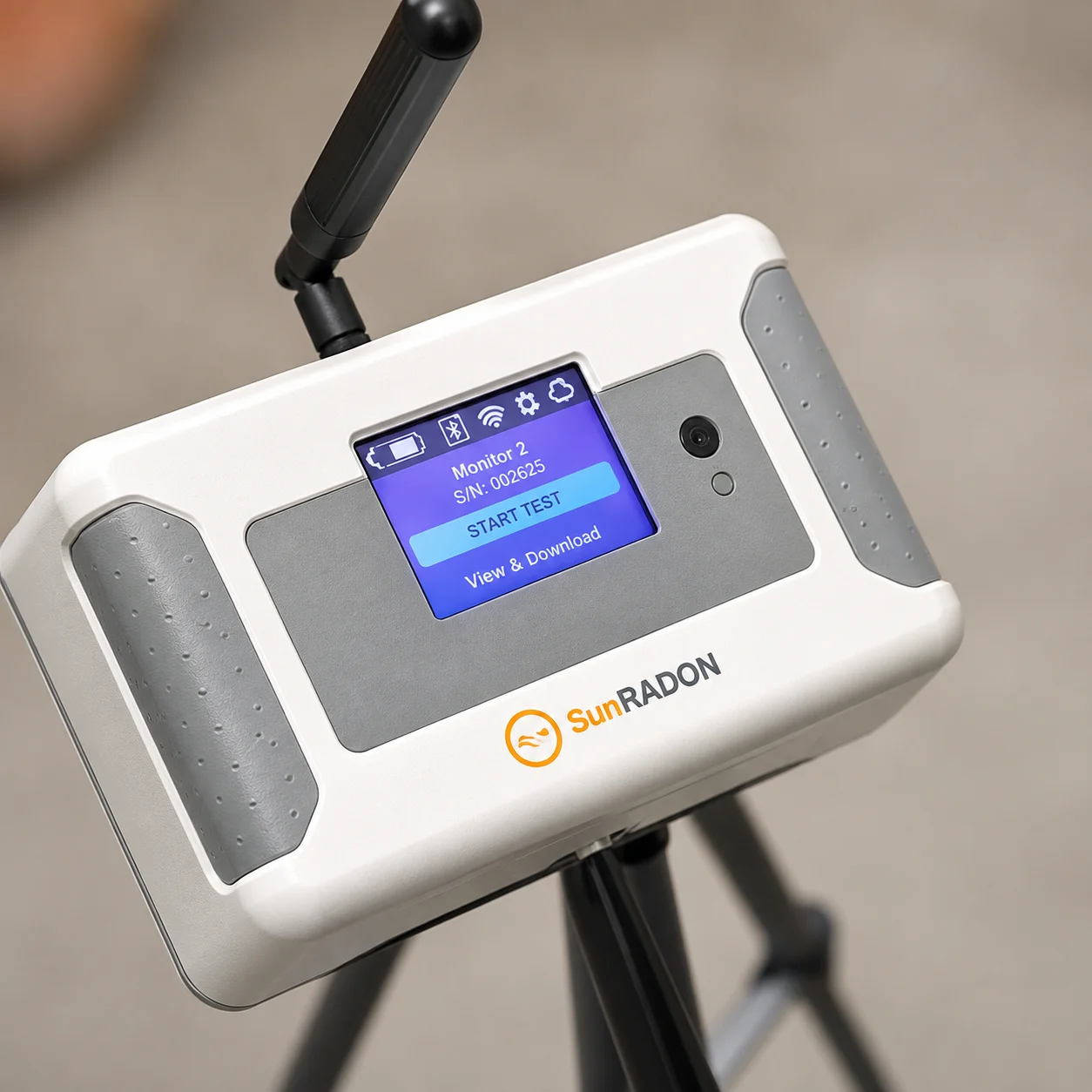
You receive the measured radon level and an explanation of how it compares with U.S. EPA guidance, which recommends fixing a home at 4 pCi/L or higher. If the level is high, we can explain the next step, which is a radon mitigation contractor.
Over 30 years in the building industry. Our lead inspector is a certified state champion brick mason with over 30 years of experience in the building industry.
Free bonuses. Ask us about the free bonuses that come with every home inspection.
200% Money Back Guarantee. We inspect every property as though we were purchasing it ourselves.
Where we work. Royal T Home Inspection provides radon testing in Fredericksburg, VA and nearby communities, including Lake Ridge, VA, Woodbridge, VA, Manassas, VA, Mechanicsville, VA, Short Pump, VA. See every community on our areas we serve page, or browse all of our inspection services.
Radon is a radioactive gas formed naturally when uranium in soil and rock breaks down. It can move into buildings through cracks and openings in the foundation.
Long-term exposure to high radon levels is a health risk, and the only way to know your level is to test.
Yes. Radon testing can be added to a home inspection. Call (703) 910-3251 to set it up.
A radon mitigation contractor can install a system to lower the level. We can explain what a high result means.
Radon can be present in any home, new or old, so testing is a good idea for any property.
Short-term tests run for a few days. We will tell you the exact period when you book.
No. Windows and exterior doors should stay closed, except for normal entry and exit, to keep the result reliable.
Yes, especially if you use it as living space. Radon is usually measured in the lowest livable level.
Yes. A mitigation contractor can install a system that lowers the level. We can explain what a result means.